
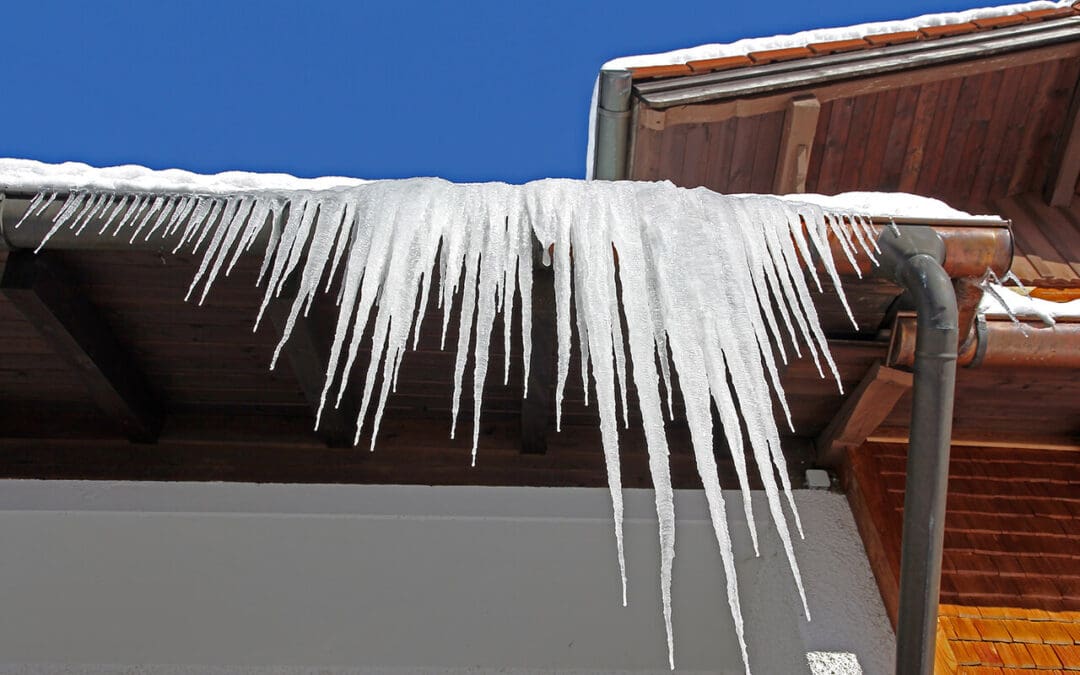
A single ice storm can coat trees and power lines in a layer of ice that adds enormous weight, brings down limbs, and leaves neighborhoods without electricity for days. Because these storms are less frequent, many homeowners aren’t ready when one arrives. The good news is that most of the preparation is simple and can be done well before the forecast turns. Here’s how to get your home, your family, and your property ready for an ice storm.
Get Your Property Ready Before an Ice Storm Arrives
Ice makes trees dangerously heavy, so start with the yard. Have dead or weak branches trimmed, especially limbs that hang over the roof, driveway, or power lines, and hire a professional for any work near utility lines. Clean the gutters so meltwater can drain, and check the roof for loose shingles. Bring in or tie down outdoor furniture, and keep a supply of sand or pet-safe ice melt for steps and walkways. If you own a generator, test it and make sure you have fuel stored safely outside the home. Find your main water shutoff and electrical panel now so you can reach them quickly. When a storm is forecast, charge your phones and power banks, and keep your car’s gas tank at least half full. Make a simple plan for where family members will go if the house becomes too cold or unsafe.
Protect Your Pipes and Keep the House Warm
An ice storm that knocks out power for days can lead to frozen pipes if the house loses heat. Insulate exposed pipes in crawl spaces and garages, open cabinet doors under sinks on exterior walls, and let faucets drip during extreme cold. If the power goes out, close off unused rooms, hang blankets over windows, and wear layers. Never use a gas oven, grill, or camp stove to heat the house, because they produce carbon monoxide. Make sure battery-powered carbon monoxide detectors work, and keep a few flashlights and extra batteries where everyone can find them. If you must leave the house during a long outage, turn off the main water supply and drain the lines, or stay with friends or family until power returns.
Supplies to Stock Before Any Ice Storm
Plan for at least three days without power or reliable roads. Store one gallon of water per person per day, along with nonperishable food, a manual can opener, flashlights, extra batteries, a battery-powered or hand-crank radio, a first aid kit, medications, and warm blankets. Keep phone chargers and a fully charged power bank ready, and have some cash on hand since card readers may not work. Don’t forget pet food and any special needs your household has. Fill your vehicle’s gas tank before the storm, and keep a small emergency kit in the car in case you get stranded. Rotate stored food and water every year, and check batteries and flashlights before winter starts so nothing fails when you need it. A battery lantern is safer than candles.
Stay Safe During and After the Storm
During an ice storm, stay off the roads, since even a thin glaze can turn them into skating rinks. Treat every downed power line as live, stay far away, and report it to the utility. Don’t walk under trees or limbs that are coated in ice, and avoid shaking ice from branches, which can send heavy pieces down. Run a generator only outdoors, well away from doors and windows, and never in a garage. Use caution with chainsaws, and hire professionals for large limbs. Check on elderly neighbors, and photograph any damage before cleanup so your insurance claim is easier. Wait until the ice melts before assessing roof or tree damage, and never climb onto an icy roof.
Frequently Asked Questions (FAQs)
Why are ice storms more dangerous than snowstorms?
Ice adds heavy weight to trees and power lines, causing outages and falling limbs, and it makes roads and walkways extremely slippery. Even a thin glaze could be dangerous.
How long can outages last?
Several days is common after a major ice storm, since crews may have to repair many lines and clear fallen trees before service returns to every neighborhood.
Is it safe to use a generator?
Yes, if used outdoors away from the house with fuel stored safely. A licensed electrician can install a transfer switch so you don’t backfeed power onto the grid.
What should I do about downed power lines?
Stay at least thirty feet away, assume they are live, and call the utility or emergency services. Never drive over a downed line.
Does homeowner’s insurance cover ice damage?
Many policies cover damage from the weight of ice, but terms and deductibles vary. Review your policy, document any damage with photos, and call your agent promptly.
JW Goad Home Inspections provides home inspection services to Clarksville and the surrounding areas in Tennessee. Contact us to schedule an appointment.