
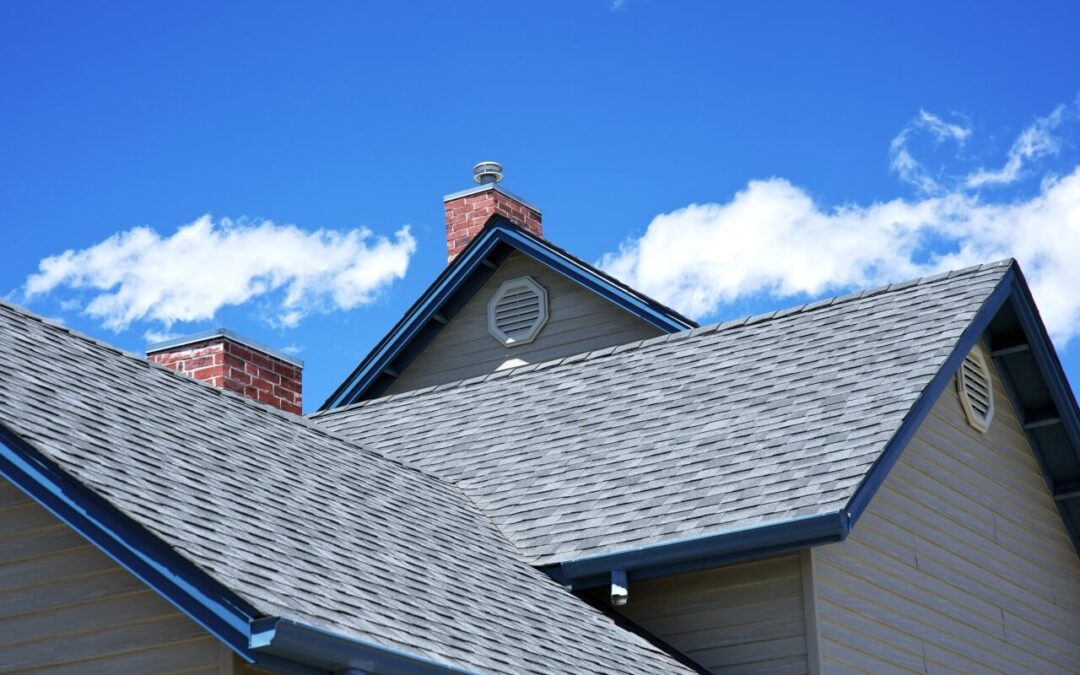
Maintaining your roof is one of the most important aspects of home ownership. The roof is the home’s primary defense against weather, and its failure cascades into damage that affects the attic, insulation, ceilings, walls, and structural components beneath it. Most homeowners don’t think about the roof until there’s a visible problem, by which point the damage has almost always been developing longer than the symptom suggests. The homeowners who get the most life out of their roofs and avoid the most expensive repairs are the ones who approach maintaining their roof as an ongoing practice rather than an emergency response.
The Foundation of Maintaining Your Roof
The most important single practice in maintaining your roof is periodic inspection, catching small problems before they become large ones. A roof in the early stages of deterioration rarely announces itself dramatically. The indicators are subtle: a lifted shingle, a section of deteriorating flashing, granule loss visible in the gutters below. By the time a leak appears on the ceiling, water has already been traveling through the structure for some time. A visual inspection from the ground twice a year catches most early-stage roof issues. Look for missing, curling, or cracked shingles, damaged or lifted flashing at chimneys and skylights, and any areas that appear to be sagging or irregularly surfaced. After any significant wind or hail event, a post-storm inspection should be added regardless of the regular schedule. Professional roof inspections every three to five years provide the detailed assessment a ground-level visual can’t.
The Overlooked Side of Maintaining Your Roof
Maintaining your roof extends beyond shingles and flashing to the drainage systems that determine how water leaves the roof surface and where it goes. Gutters cleaned at least twice a year ensure water drains freely rather than backing up against the roof edge. Backed-up gutters cause water to pool behind the fascia, deteriorating wood and eventually infiltrating the wall assembly. In cold climates, blocked gutters contribute to ice dam formation, where ice accumulates at the roof edge and forces water back up under the shingles. Downspouts should direct water at least four to six feet from the foundation. Extensions added to short downspouts are an inexpensive way to reduce the foundation moisture and basement water intrusion that inadequate drainage causes.
Repairs and Professional Help
Knowing when to address an issue promptly and when to call a professional is critical when maintaining your roof over the long term. Small repairs, such as replacing a few missing shingles, resealing lifted flashing, or applying roofing caulk to a minor penetration, are within the capability of homeowners comfortable with heights and basic tools. The key is addressing these repairs as soon as an issue is identified. Roof damage is almost always progressive; a cracked shingle that allows moisture infiltration will compromise adjacent shingles, the underlayment beneath, and eventually the sheathing below. Repairs involving significant flashing work, large damaged sections, structural concerns, or any situation where the extent of damage isn’t clear warrant professional involvement. A roofing expert can assess whether localized repair is appropriate or whether the roof’s overall condition has reached the point where replacement makes more financial sense than continued repair.
Frequently Asked Questions (FAQs)
How long should a typical residential roof last?
Lifespan depends primarily on material. Standard three-tab asphalt shingles are rated for 15 to 25 years. Architectural shingles carry ratings of 25 to 30 years and often perform longer with proper maintenance. Metal roofing lasts 40 to 70 years in most climates. Tile and slate can last 50 years or more. Climate, installation quality, and how consistently you’ve been maintaining your roof all affect where within these ranges the actual lifespan falls.
How do I know if my roof needs replacing or just repairs?
A roof that’s reached 80 to 85 percent of its rated lifespan, shows widespread granule loss across the full surface, or has multiple damage areas rather than isolated incidents is typically a replacement candidate. A roof with isolated damage on an otherwise sound surface in the earlier portion of its service life is a repair candidate. A licensed roofing contractor can assess current condition and remaining useful life and make a recommendation based on the specific roof rather than age alone.
What is flashing and why is it so important for maintaining your roof?
Flashing is the thin sheet metal installed at intersections, edges, and penetrations where two roof surfaces meet or where something passes through the surface. Chimneys, skylights, vents, and valleys all require flashing to direct water away from the joint. Flashing failure is one of the most common causes of roof leaks. Inspecting flashing condition and ensuring sealants are intact is an essential part of maintaining your roof annually.
Can I walk on my roof without damaging it?
Walking on a roof carries real risk to both the person and the roof surface. Asphalt shingles could crack under foot traffic, particularly on hot days when asphalt is softened. Tile roofs are especially vulnerable to cracking under direct pressure. For most homeowners, ground-level inspection supplemented by professional roof inspection is safer and more informative than attempting to walk the surface.
How do moss and algae affect roof condition?
Moss and algae actively degrade roofing materials over time. Moss holds moisture against the shingle surface, accelerating deterioration and granule loss. Algae produces acids that break down the shingle surface. Cleaning affected areas with a low-pressure wash and a biocidal solution appropriate for roofing removes active growth. Zinc or copper strips installed near the ridge release ions that inhibit future growth and are worth considering in climates with significant moisture and shade.
JW Goad Home Inspections provides home inspection services to Clarksville and the surrounding areas in Tennessee. Contact us to schedule an appointment.