
Summer is the season when water use spikes, lawns need watering, kids are home filling up pools, and gardens are in full swing. It’s also the time of year when droughts are most likely to hit, and municipal water systems face their heaviest demand. Conserving water during the summer months isn’t just good for the environment; it’s good for your wallet. With a few smart adjustments to your daily routine and outdoor habits, you can make a real dent in your household water use without sacrificing the things that make summer enjoyable.
Why Conserving Water in Summer Matters More Than You Think
Many homeowners assume their water use is relatively modest. But summer changes the equation significantly. Outdoor water use alone can account for 30 percent or more of a household’s total consumption during warmer months, with irrigation being the biggest driver. Conserving water isn’t just about lowering your utility bill, though that’s a welcome side effect. It reduces the strain on local water supplies, helps maintain healthy waterways, and means less energy is spent treating and pumping water through municipal systems. Every gallon saved adds up.
Water Your Lawn and Garden Smarter
Outdoor irrigation is the single biggest opportunity for conserving water at home in summer. The most common mistake homeowners make is watering too frequently and at the wrong time of day. Watering during the afternoon heat means a significant portion evaporates before reaching the roots. Early morning watering gives water time to soak in while temperatures are still cool. Deep, infrequent watering is also far more effective than light daily watering. It encourages roots to grow deeper, where moisture is retained longer, making your lawn more drought-resilient over time. Aim for two to three deep sessions per week rather than a light sprinkle every day. Drip irrigation systems and soaker hoses deliver water directly to root zones with minimal evaporation, a worthwhile upgrade for garden beds.
Conserving Water Indoors Makes a Bigger Difference Than Expected
It’s easy to focus all your water-saving efforts outdoors in summer, but indoor habits matter just as much. Shortening showers by even two minutes saves gallons per person per day, and a low-flow showerhead could reduce shower water use by 40 percent with no noticeable change in experience. Running the dishwasher only when full, fixing leaky faucets promptly, and turning off the tap while brushing teeth are small habits that compound into meaningful savings over a summer. A faucet that drips once per second wastes more than 3,000 gallons per year, easy to ignore, costly to overlook.
Make the Most of Rainwater
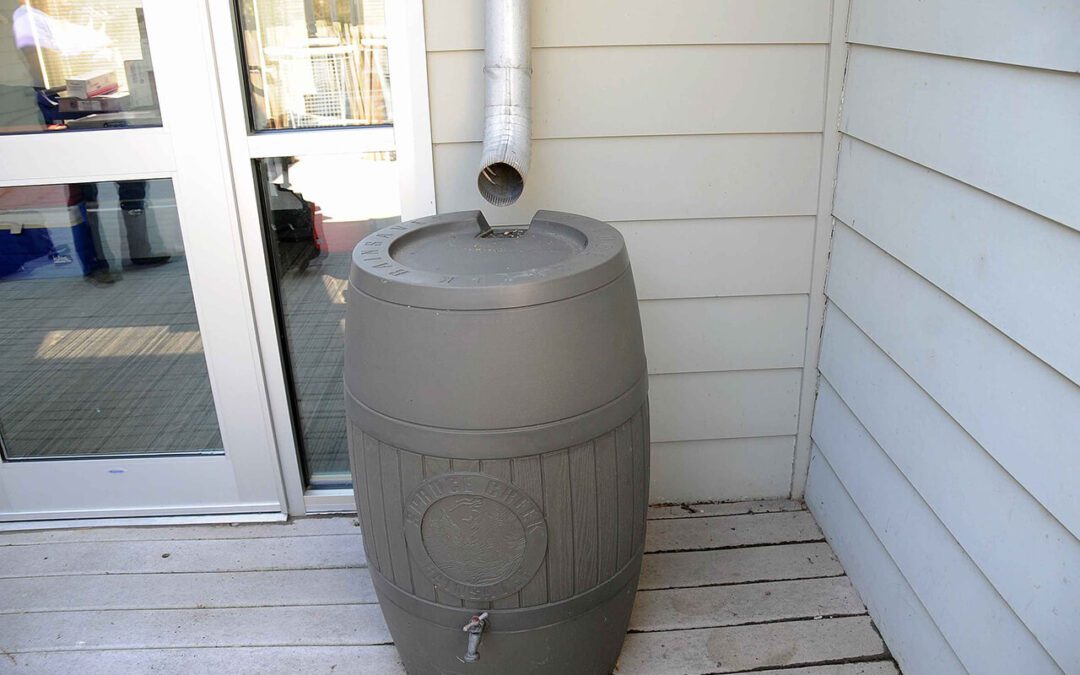
Summer storms are an underutilized resource for conserving water at home. Installing a rain barrel at your downspout is one of the simplest water-saving projects a homeowner can tackle. Collected rainwater can be used to water gardens or wash outdoor furniture without touching your municipal supply at all. Even without a collection system, you can make the most of rainfall by timing irrigation around the forecast. If rain is expected within 24 to 48 hours, skip the sprinkler cycle. A basic rain sensor on your irrigation system can automate this entirely, shutting off scheduled watering whenever rainfall is detected.
Conserving Water Long-Term
If you find yourself constantly battling to keep thirsty plants alive through summer heat, your landscaping might be working against you. Swapping high-water-demand plants for drought-tolerant native species is one of the most effective long-term strategies for conserving water in your yard. Native plants are adapted to your local climate and thrive with far less supplemental watering once established. Mulching garden beds to a depth of two to three inches reduces soil evaporation significantly and keeps root zones cooler between waterings, a low-effort habit with a high return that improves plant health at the same time.
Frequently Asked Questions (FAQs)
How much water does the average household use in summer compared to the rest of the year?
Summer household water use can increase by 25 to 50 percent compared to cooler months, largely driven by outdoor irrigation.
What is the easiest first step toward conserving water at home this summer?
Adjusting your irrigation schedule is the highest-impact starting point for most homeowners. Switching to early morning watering and reducing frequency to two or three deep sessions per week can cut outdoor water use significantly.
Are low-flow fixtures worth installing for water conservation?
Absolutely. Low-flow showerheads, faucet aerators, and dual-flush toilets are among the most cost-effective water-saving upgrades available. Many pay for themselves within a single season.
Does a rain barrel actually save a meaningful amount of water?
A standard 50-gallon rain barrel fills quickly during a moderate summer storm and can supply enough water for several days of garden watering. Over a full summer, a single barrel can save thousands of gallons of municipal water.
How do I know if my irrigation system is wasting water?
Run the system and walk your property looking for pooling water, runoff onto hard surfaces, and broken or misaligned sprinkler heads. A professional irrigation audit can identify inefficiencies you might miss and is often available through local water utilities at low or no cost.
JW Goad Home Inspections provides home inspection services to Clarksville and the surrounding areas in Tennessee. Contact us to schedule an appointment.