
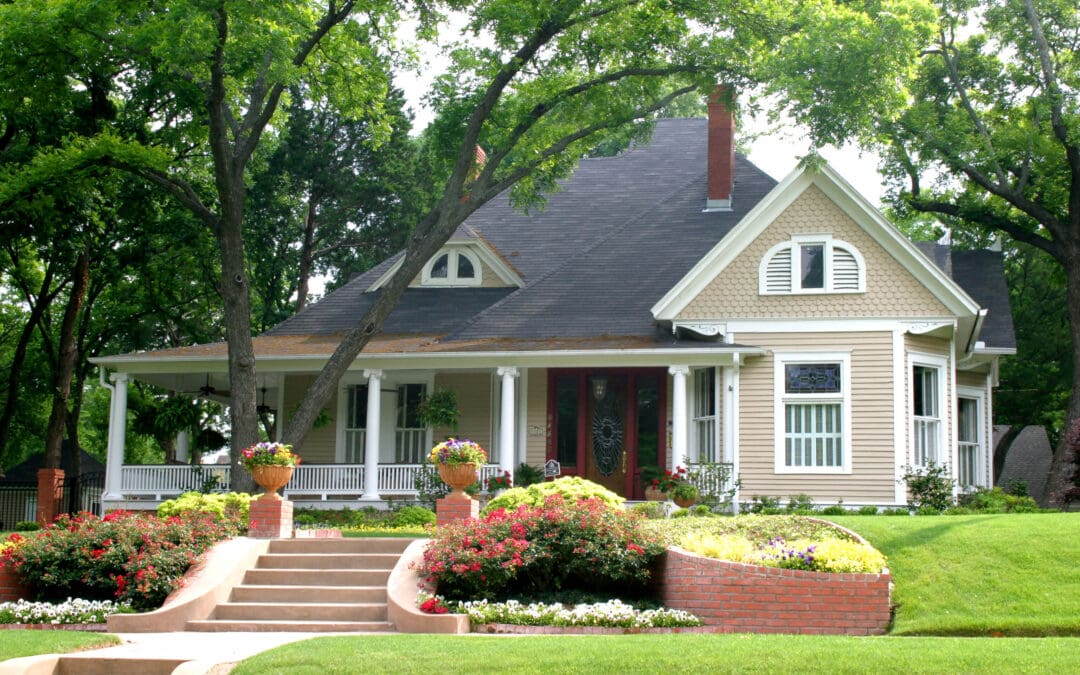
A stunning yard doesn’t have to come with a stunning price tag. Landscaping on a budget is entirely achievable with the right approach. Whether you’re starting from scratch or refreshing an existing yard, there are proven strategies that deliver impressive results without draining your bank account.
Why Landscaping on a Budget Requires a Plan First
The most common budget landscaping mistake is spending impulsively, buying plants that catch your eye at the nursery without a clear plan for where they’ll go or how they’ll work together. This leads to a scattered, uncoordinated look and plants in the wrong conditions that struggle and eventually die, costing you money twice. Before spending a dollar, sketch a basic layout of your yard, identify which areas need the most attention, and research what will actually thrive in your specific climate and soil conditions. A clear plan turns every dollar spent into a deliberate investment rather than a gamble.
Starting small and building gradually is the other cornerstone of successful landscaping on a budget. Tackle the highest-visibility areas first and expand from there as budget allows. Focused effort in key areas consistently produces better results than spreading a limited budget thin across the entire property.
High-Impact Landscaping on a Budget Starts With Mulch and Edging
Two of the most cost-effective landscaping improvements available to any homeowner are fresh mulch and clean edging. A two to three inch layer of mulch around garden beds and trees instantly makes a yard look intentional and well-maintained. Beyond aesthetics, mulch suppresses weeds, retains soil moisture, and regulates temperature. Clean edges between the lawn and garden beds are equally transformative. A flat spade or edging tool creates crisp, defined borders that give the entire yard a polished, finished look. These two improvements together produce one of the highest returns of any landscaping investment, costing very little but delivering a dramatic improvement in curb appeal.
Choose Plants Wisely When Landscaping on a Budget
Plant selection is where budget landscaping either succeeds or fails. Perennials are one of the smartest investments for budget-conscious homeowners because they return year after year without replanting. Native plants are another excellent choice because they’re adapted to local conditions, require less supplemental watering and fertilizing, and tend to be naturally resistant to local pests and disease. Over time, these characteristics translate directly into lower maintenance costs.
Buying plants in smaller sizes is a simple but effective budget strategy. A one-gallon plant costs a fraction of the same species in a five-gallon container, and while it takes longer to reach full size, it often establishes more quickly and catches up within a season or two. Shopping at the end of the season when nurseries discount remaining stock, dividing existing perennials to multiply plantings for free, and swapping plants with neighbors are all smart tactics for working on a budget without sacrificing variety or quality.
DIY Hardscaping and Low-Cost Improvements
Hardscaping elements like pathways, garden borders, and edging materials can be added on a budget with a little creativity and willingness to do the work yourself. Gravel pathways, stepping stone paths, and decorative rock borders are all affordable options that add structure and visual interest to the landscape without the cost of professional installation. Repurposed materials can be used to create raised beds, borders, and defined planting areas at a fraction of retail prices. Outdoor lighting adds significant visual impact to a yard for very little cost. Solar-powered pathway lights and stake lights require no wiring, no electrician, and no ongoing electricity cost.
Frequently Asked Questions (FAQs)
What is the best way to start landscaping on a budget?
Start with a clear plan that identifies your highest-priority areas and what you want to achieve before spending anything. Focus your initial budget on high-visibility improvements before expanding to the rest of the yard.
What are the most cost-effective landscaping improvements?
Fresh mulch, clean lawn edging, and native or perennial plant selections consistently deliver the highest return for the lowest investment.
How can I get plants for free or at a lower cost?
Dividing existing perennials is one of the best free sources of new plants. Swapping divisions with neighbors and friends expands your plant palette at no cost.
Is DIY landscaping really worth it?
For most standard landscaping tasks, DIY is absolutely worth it and accessible to most homeowners. The labor savings alone cut total project costs significantly.
How do I make my yard look good without spending a lot of money?
Consistent maintenance is the most powerful low-cost tool available. A well-mowed lawn, trimmed edges, clean walkways, and healthy-looking plants always outperform an elaborate but neglected design.
JW Goad Home Inspections provides home inspection services to Clarksville and the surrounding areas in Tennessee. Contact us to schedule an appointment.