
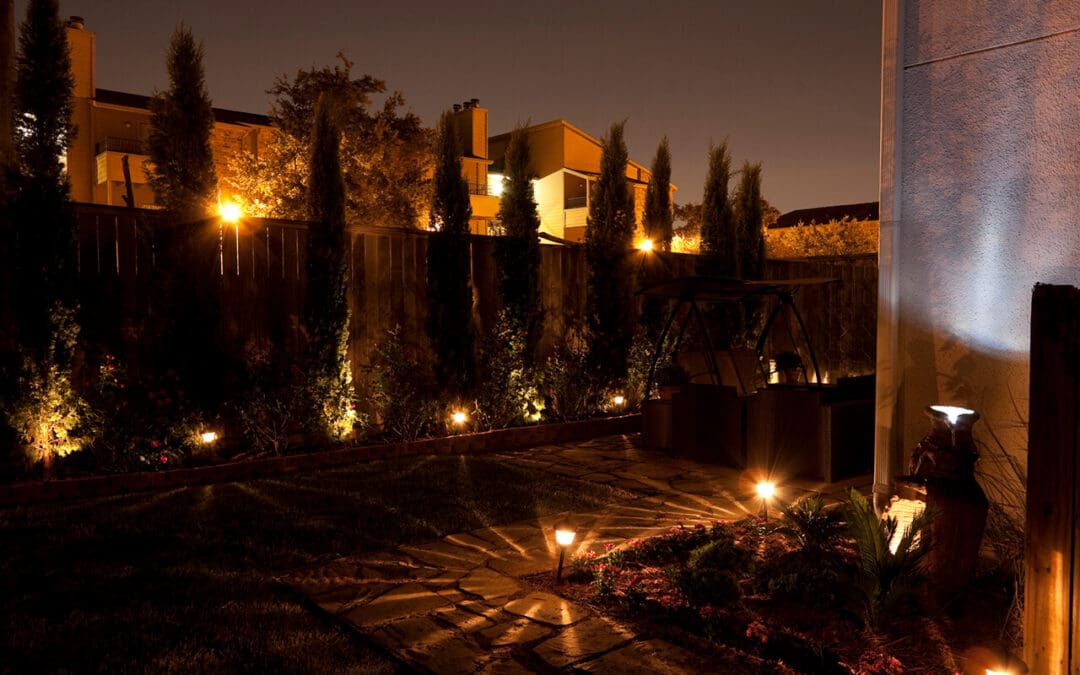
Exterior lighting is one of the most effective ways to enhance the look, safety, and functionality of a home. While landscaping and paint colors often get the spotlight, well-planned lighting quietly works behind the scenes to elevate curb appeal and make outdoor spaces more usable. For homeowners, exterior lighting serves several important purposes. It helps illuminate pathways and entrances, reducing the risk of accidents at night. It also discourages unwanted visitors by eliminating dark hiding spots around the property. At the same time, thoughtfully placed lights can highlight architectural features, trees, gardens, or patios, creating a warm and welcoming environment after sunset. With the right combination of fixtures, placement, and lighting technology, homeowners will dramatically improve both aesthetics and functionality.
Choosing the Right Exterior Lighting Fixtures
The first step in upgrading exterior lighting is selecting fixtures that match the home’s style and lighting needs. Different areas of a property require different types of lights to achieve the best results. Wall-mounted lights are commonly placed beside front doors, garage doors, or back entrances. They provide both visibility and decorative appeal. Path lights are ideal for walkways and garden paths, guiding visitors safely through the yard. Floodlights offer powerful illumination and are often used for security purposes or large outdoor areas.
When choosing fixtures, durability is just as important as appearance. Outdoor lighting must withstand rain, dust, wind, and temperature changes. Materials such as stainless steel, aluminum, and weather-resistant plastics typically offer longer-lasting performance. The color temperature of the bulbs also plays a role in the overall atmosphere. Warm lighting creates a cozy, welcoming feel, while cooler lighting provides brighter visibility for safety and security.
Smart Placement Tips for Exterior Lighting
Placement is one of the most important aspects of effective exterior lighting. Even the best fixtures will not perform well if they are poorly positioned. Lighting should first focus on safety areas such as entrances, stairs, and walkways. These locations require clear illumination to prevent trips and falls. Lights placed along driveways and pathways help guide movement and create visual structure throughout the yard.
Accent lighting can be used to highlight landscaping features. Trees, garden beds, sculptures, or textured walls can become focal points when softly illuminated from below or from the side. This layered approach to exterior lighting creates depth and visual interest instead of flooding the entire yard with bright light. Another useful technique is downlighting, where fixtures are mounted higher up, such as on walls or trees, and shine light downward. This mimics natural moonlight and produces a softer, more natural effect.
Energy-Efficient Lighting Options
Modern exterior lighting solutions are far more energy-efficient than traditional systems. LED bulbs have become the most popular choice because they consume significantly less electricity while lasting much longer than incandescent bulbs. Solar-powered lights are another option that many homeowners appreciate. These fixtures charge during the day and automatically illuminate at night, making them easy to install without additional wiring. They work particularly well for pathways, garden beds, and decorative accents.
Smart lighting systems are also becoming increasingly common. With smart exterior lighting, homeowners can control brightness, schedules, and motion sensors through mobile apps. Motion-activated lights are especially useful for security and energy savings because they only activate when movement is detected. By combining efficient bulbs, smart controls, and thoughtful design, homeowners can improve exterior lighting while keeping electricity costs under control.
Maintaining Your Exterior Lighting System
Once exterior lighting has been installed, regular maintenance helps keep the system performing well. Outdoor fixtures are exposed to dirt, moisture, and insects, which gradually reduce brightness. Cleaning light covers every few months ensures maximum light output. Checking for loose wiring or damaged fixtures prevents larger issues later. For solar lights, keeping the panels free from dust and debris allows them to charge properly during the day.
Seasonal adjustments may also be helpful. As landscaping grows or changes, some lights may need repositioning to maintain the desired effect. Routine inspection guarantees the lighting continues to enhance the home’s appearance and safety.
Frequently Asked Questions (FAQs)
How much exterior lighting does a home need?
The amount of exterior lighting depends on the size of the property and the areas that require visibility. Most homes benefit from lighting at entrances, pathways, driveways, and key landscape features.
What type of bulbs are best for exterior lighting?
LED bulbs are generally the best choice because they are energy-efficient, long-lasting, and available in different brightness levels and color temperatures.
Are solar lights reliable for the exterior?
Solar lights work well for decorative and pathway lighting, especially in areas that receive good sunlight. However, they may not provide enough brightness for security lighting.
Does exterior lighting increase home value?
Yes, well-designed lighting improves curb appeal and enhances perceived property value. It also makes outdoor spaces more functional and attractive.
Should exterior lights stay on all night?
Not necessarily. Many homeowners use timers, motion sensors, or smart lighting systems to control when lights turn on and off, saving energy while maintaining safety.
JW Goad Home Inspections provides home inspection services to Clarksville and the surrounding areas in Tennessee. Contact us to schedule an appointment.