
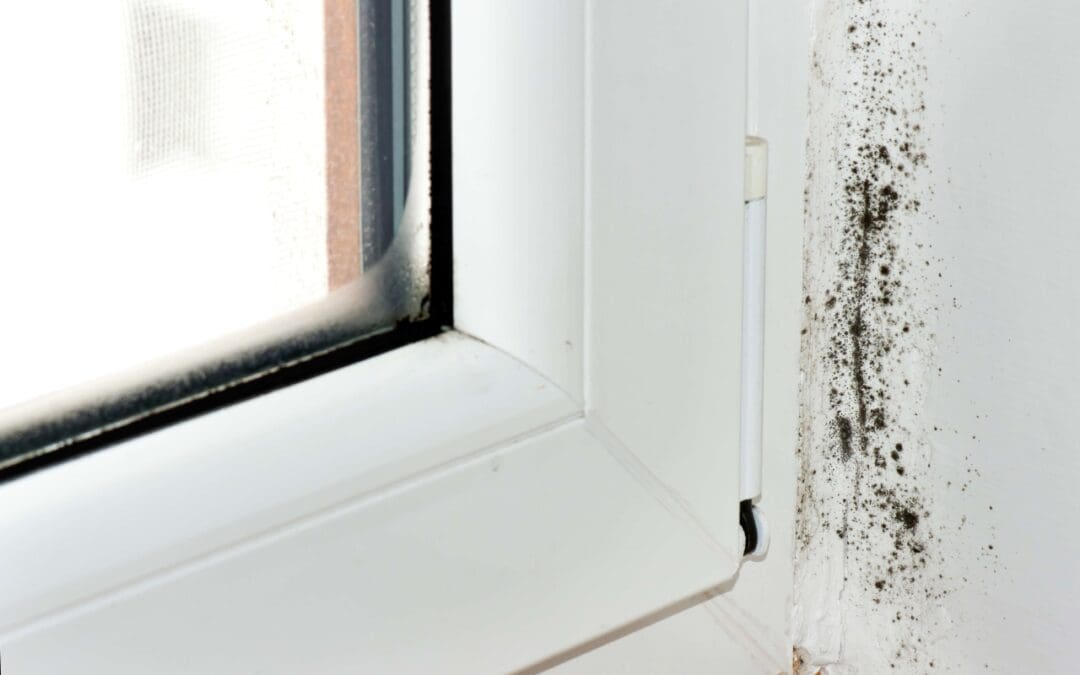
Maintaining your home’s value and your family’s health requires a proactive approach to moisture management. While mold spores naturally exist in the environment, allowing them to colonize your living space can lead to significant structural damage and poor air quality. To effectively prevent mold growth, you must address the root causes of dampness and high humidity before they escalate into a larger problem. By identifying high-risk areas and implementing strategic maintenance practices, you ensure that your indoor environment remains clean, dry, and healthy throughout every season.
Strategies to Prevent Mold Growth
The most critical factor in combating mold is controlling moisture. Mold requires water, oxygen, and an organic food source to survive. While you cannot easily remove oxygen or organic materials from your home, you can gain complete control over moisture levels. To successfully prevent mold growth, you must adopt a zero-tolerance policy for standing water and excessive dampness. This begins with a thorough inspection of the most vulnerable areas in the house, such as basements, attics, and crawl spaces. If you notice a damp smell or see condensation on your windows, these are early warning signs that the environment is becoming conducive to mold. Addressing these issues immediately is the hallmark of a confident and responsible homeowner.
Controlling Indoor Humidity and Moisture Levels
Maintaining the correct balance of humidity is an essential task. Ideally, your home’s indoor humidity should stay between thirty and fifty percent. When the air becomes too humid, it provides the perfect breeding ground for spores to settle and multiply on porous surfaces. Investing in a simple hygrometer allows you to monitor these levels with precision. In damp climates or during humid summers, running a dehumidifier in the basement or other poorly ventilated areas will make a world of difference. Furthermore, you should be mindful of everyday activities that contribute to moisture buildup. Cooking, showering, and even drying clothes indoors release significant amounts of water vapor into the air. Using exhaust fans and ensuring they are vented to the outside, rather than into the attic, is a crucial step in preventing mold growth in these high-traffic areas.
How Proper Ventilation and Airflow Prevent Mold Growth
Proper ventilation is one of the most underrated tools in a homeowner’s arsenal for property preservation. When air moves freely throughout a room, it helps to evaporate moisture and keep surfaces dry. Ensure a gap is maintained between your furniture and exterior walls to allow for adequate airflow. Often, mold is discovered behind large wardrobes or sofas where the air has been trapped and cooled, leading to condensation against the wall. Similarly, avoid overstuffing closets and storage areas. If air cannot circulate between your belongings, moisture could become trapped, leading to a musty environment that is difficult to remediate. Regularly opening windows when the weather permits and utilizing ceiling fans are simple, low-cost ways to keep the air fresh and moving.
Immediate Action for Leaks and Water Damage
The most common cause of sudden mold outbreaks is unaddressed water damage. Whether it is a slow drip from a kitchen pipe or a significant roof leak following a storm, water must be dealt with within twenty-four to forty-eight hours to ensure safety. Once water penetrates building materials like carpet padding or insulation, the clock starts ticking. If you experience a leak, you should focus on drying the area thoroughly using high-powered fans and dehumidifiers. If materials like drywall or ceiling tiles become saturated and cannot be dried quickly, it is often safer to replace them entirely rather than risking a hidden colony forming behind the surface. Vigilance in checking under sinks and around appliances, such as dishwashers and washing machines, will help you catch minor issues before they become expensive catastrophes.
Frequently Asked Questions (FAQs)
Does bleach effectively kill mold on all surfaces?
While many people reach for bleach at the first sign of a dark spot, it is not always the best solution. Bleach is highly effective on non-porous surfaces like tile and glass, but it cannot penetrate porous materials like wood or drywall. In those cases, the water in the bleach could actually soak into the material and provide more moisture for the mold roots to grow. For porous surfaces, specialized antimicrobial cleaners or even a vinegar solution are often more effective choices.
Is all black mold dangerous to my health?
While some molds produce mycotoxins that can cause respiratory issues or allergic reactions, any significant mold growth in the home should be treated as a priority. Rather than worrying about the specific species, the best course of action is to focus on removing the moisture source and cleaning the affected area immediately.
Can I prevent mold growth in my bathroom without a window?
Yes, many bathrooms lack windows, but you can still maintain a dry environment. The most important tool is a high-quality exhaust fan. You should run the fan during your shower and for at least twenty minutes afterward to ensure all steam is removed.
JW Goad Home Inspections provides home inspection services to Clarksville and the surrounding areas in Tennessee. Contact us to schedule an appointment.