
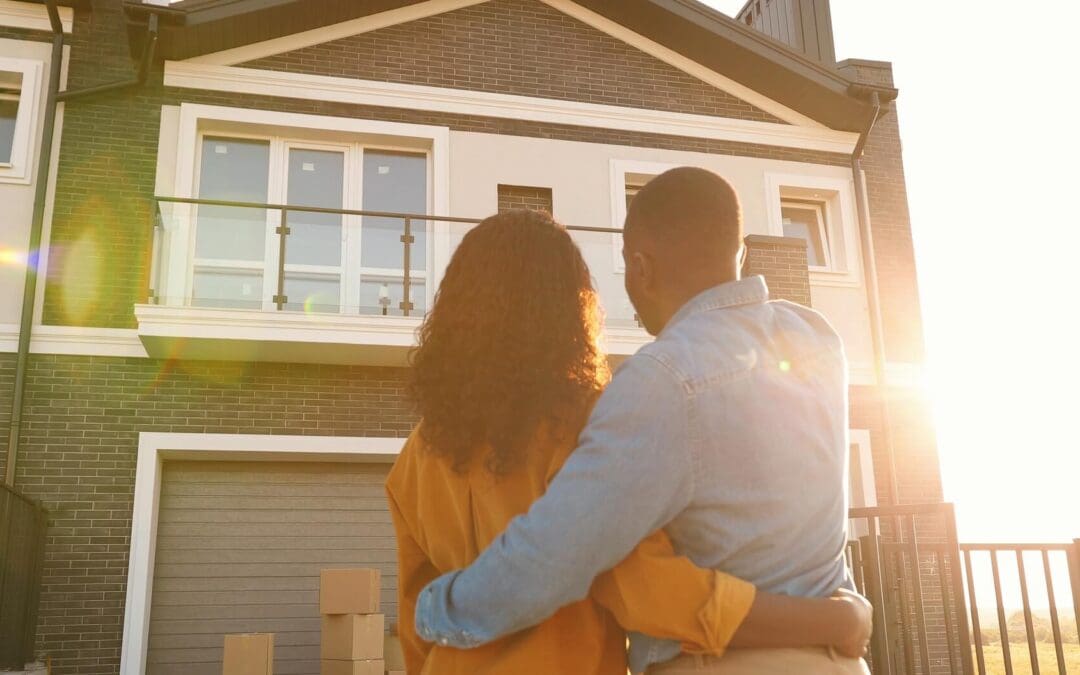
Owning a house is a significant milestone, but the transition requires a shift in perspective. To be a better homeowner, you must move past the idea that a home is a static structure and begin viewing it as a living, breathing system that requires consistent care and strategic foresight. It involves a commitment to preserving the integrity of your investment while fostering a safe environment for your family. By adopting a proactive mindset toward maintenance, community engagement, and environmental responsibility, you guarantee that your property remains a source of pride rather than a source of stress.
Use Preventative Maintenance to Be a Better Homeowner
Houses communicate their needs through subtle cues: a slight hum in the pipes, a window that sticks in high humidity, or a gutter that overflows during a summer storm. Developing an intuition allows you to catch minor issues before they evolve into major expenses. This means dedicating time each season to walk the perimeter of your property, checking the foundation for cracks and ensuring that water is properly diverted away from the structure. When you prioritize these small, routine checkups, you protect the long-term value of your asset and avoid calls to emergency repair services.
Cultivating Positive Community Connections
Your home is part of a larger ecosystem of neighbors and shared infrastructure. Part of the journey to be a better homeowner involves being an active and considerate participant in your neighborhood. This goes beyond just keeping your lawn mowed and your trash cans tucked away. It means introducing yourself to the people next door, keeping an eye on the elderly neighbor’s property during a snowstorm, and developing open communication. A homeowner who fosters goodwill contributes to a safer, more stable community, which inherently protects the desirability and value of every home on the block. Trust and cooperation are just as important to your home’s “curb appeal” as a fresh coat of paint.
Leveraging Efficiency to Be a Better Homeowner
Houses are major consumers of energy and water, and as the steward of your property, you have the power to reduce that footprint. This can begin with simple upgrades like switching to LED lighting or installing a smart thermostat that optimizes your heating and cooling schedules. Beyond technology, look at your landscaping choices, opting for native plants that require less irrigation and fewer chemical fertilizers. By making choices that favor efficiency, you are significantly reducing your monthly overhead.
Organizing Your Home’s Vital Records
If you want to be a good homeowner, you should maintain a meticulous log of every repair, upgrade, and warranty associated with the property. Keeping a dedicated digital or physical folder for receipts, paint colors, and contractor contact information is invaluable for future troubleshooting. When it eventually comes time to sell, being able to hand over a comprehensive binder of the home’s history provides immense peace of mind to the next owner and justifies a higher asking price. It shows that the home has been carefully and professionally managed throughout your tenure.
Frequently Asked Questions (FAQs)
What is the most important tool for a new homeowner to own?
While a high-quality drill or a set of wrenches is important, the most vital tool is a non-contact voltage tester. Safety is paramount when you are learning to manage your own repairs, and being able to quickly verify that the power is off before touching a switch or fixture is a fundamental skill. A digital hygrometer to monitor indoor moisture levels is also a top priority for preventing mold.
How can I stay on top of a maintenance schedule without feeling overwhelmed?
The best strategy is to break the year into four distinct seasonal checklists. Instead of trying to fix everything in one weekend, assign specific tasks to specific months. By spreading the work out, the responsibilities of homeownership become manageable habits rather than an exhausting second job.
Is it better to DIY a repair than to hire a professional?
While small tasks like changing a faucet or painting a room are great DIY projects, anything involving the main electrical panel, gas lines, or structural foundation should usually be left to licensed professionals. Making a mistake in these areas could lead to safety hazards or code violations that are far more expensive to fix than the original cost of a pro.
How does being a better homeowner affect my property value?
Property value is driven by “deferred maintenance” or the lack thereof. A home that has been well maintained consistently sells for more than a neglected home, even if the neglected one has newer cosmetic upgrades. Buyers pay a premium for the peace of mind that comes with a solid roof, a dry basement, and well-documented service records.
JW Goad Home Inspections provides home inspection services to Clarksville and the surrounding areas in Tennessee. Contact us to schedule an appointment.