
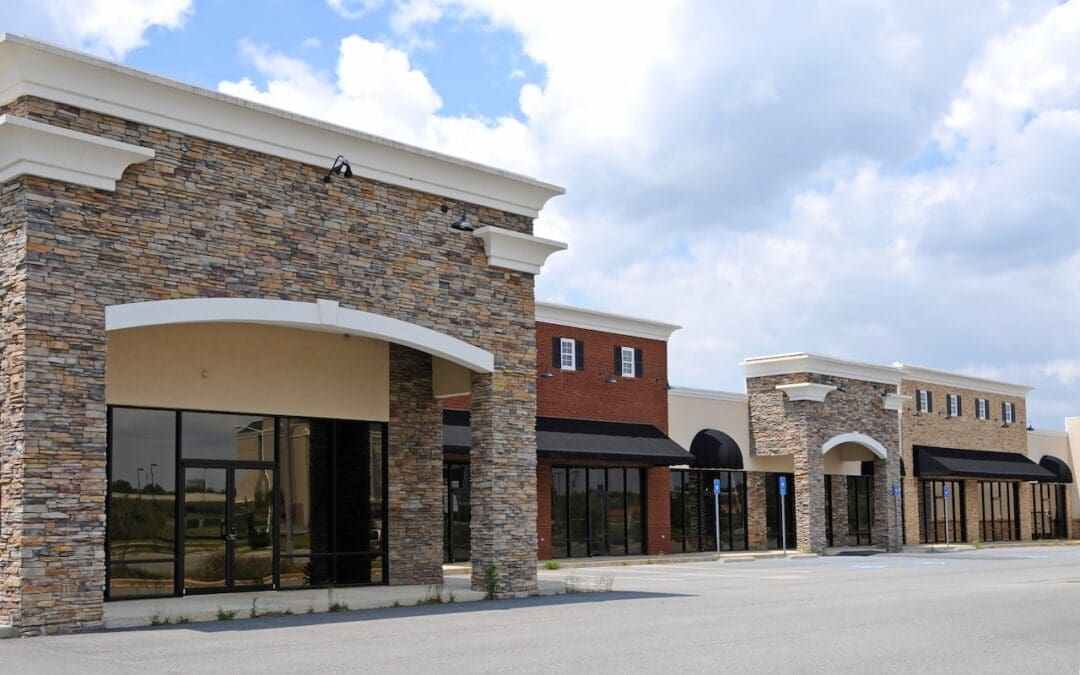
A commercial property inspection is one of the most significant due diligence investments available to anyone buying, leasing, or managing a commercial property. Unlike a residential inspection, which follows a fairly standardized scope, a commercial inspection must account for the specific use of the building, the age and complexity of its systems, the number of occupants it serves, and the regulatory requirements that apply to the property type.
The Structural and Envelope Assessment
Every commercial property inspection begins with a thorough evaluation of the building’s structure and envelope, the elements that define its integrity and ability to keep moisture and weather where they belong. Inspectors evaluate the roof system including membrane condition, drainage, penetrations, and flashing; the exterior walls and cladding for moisture intrusion and deterioration; and the foundation and grade for settlement and drainage conditions. Commercial roofing systems have specific failure modes and maintenance requirements that differ significantly from residential roofing and require experienced assessment to evaluate accurately.
Mechanical, Electrical, and Plumbing Systems
The mechanical, electrical, and plumbing systems in a commercial property are more complex, more expensive to repair, and more directly tied to operational function than in any residential context. A commercial property inspection evaluates the HVAC system: its age, condition, capacity relative to the building’s use, and visible deficiencies in distribution and controls. Electrical systems are assessed for panel condition, service capacity, and compliance with occupancy type requirements. Plumbing evaluation covers supply, drainage, fixture condition, water heating system condition, and evidence of past or present leaks. Elevators and fire suppression systems are noted and flagged for specialist evaluation when warranted.
Commercial Property Inspection for Code and Safety Compliance
A commercial property inspection isn’t a code inspection, but it does identify visible conditions inconsistent with common code requirements that warrant follow-up. ADA accessibility, fire egress, emergency lighting, exit signage, and fire suppression system condition are all areas an inspection evaluates because they directly affect occupant safety and the building’s ability to be legally occupied. Discovering compliance issues after a purchase or lease commitment is significantly more expensive than discovering them during the inspection contingency.
The Commercial Property Inspection Report and What to Do With It
The commercial property inspection report translates findings into actionable information. A well-prepared report organizes findings by system and severity, identifies conditions requiring immediate attention versus deferred maintenance items, and provides the documentation basis for due diligence decisions and negotiating leverage. A buyer with a comprehensive inspection report has the information needed to assess the true cost of the investment beyond the purchase price, the near-term capital expenditures, accumulated deferred maintenance, and foreseeable system replacements. That information is the difference between a transaction entered with full awareness and one built on assumptions that may not survive contact with the building’s actual condition.
Frequently Asked Questions (FAQs)
How is a commercial property inspection different from a residential home inspection?
Commercial buildings have more complex mechanical, electrical, and plumbing systems; roofing with different materials and failure modes; structural assemblies requiring different evaluation criteria; and code compliance considerations specific to commercial occupancy types. A commercial property inspection typically takes longer, may involve multiple inspectors with specialized expertise, and produces a more detailed report organized around the systems most relevant to the specific building type and its intended use.
When should an inspection be scheduled during a transaction?
As early as possible within the due diligence period, ideally within the first week after a purchase agreement is signed. This allows time for the inspection, report review, any specialist follow-up, and negotiation before the due diligence period expires. Some buyers commission a preliminary commercial property inspection before making an offer to understand the building’s condition before committing to terms.
What specialists might be needed in addition to a general commercial property inspection?
Depending on findings and building type, follow-up specialists might include a structural engineer, environmental consultant for Phase I assessment or asbestos and lead paint, elevator inspection company, fire protection specialist, or HVAC engineer. The inspection report typically identifies which specialist evaluations are recommended.
Can a commercial inspection be used to negotiate the purchase price?
Yes, an inspection that documents deferred maintenance, system deficiencies, or required capital expenditures gives the buyer a professional basis for requesting a price reduction, seller credit, or requiring the seller to address specific conditions before closing. The findings convert a subjective negotiation into an objective one supported by professional documentation.
How long does a commercial property inspection take?
Duration varies significantly by size, age, and complexity. A small single-tenant building might be inspected in three to four hours; a large multi-tenant building could require a full day or multiple visits. Report preparation typically adds more time. Buyers should build adequate time into the due diligence timeline for the inspection, report delivery, specialist follow-up, and any additional investigation the inspector recommends.
JW Goad Home Inspections provides home inspection services to Clarksville and the surrounding areas in Tennessee. Contact us to schedule an appointment.