
A flea infestation is one of the more miserable pest problems a household can experience. Fleas reproduce at a remarkable rate, spread quickly through a home, and survive in carpet, bedding, upholstery, and floor cracks long after the pet that brought them in has been treated. Understanding how a flea infestation actually works is the key to getting rid of fleas completely and keeping them from coming back.
Why Flea Infestations Are So Difficult to Eliminate
Most homeowners treat their pet, see some improvement, and assume the problem is solved, only to find fleas returning within a few weeks. The reason is the flea’s life cycle. Adult fleas represent only about five percent of the total flea population at any given time. The other 95 percent consists of eggs, larvae, and pupae distributed throughout the home in carpet fibers, pet bedding, furniture, and floor cracks. These immature stages are invisible to the naked eye and largely resistant to most topical treatments. Effective flea infestation treatment requires interrupting the life cycle at multiple stages simultaneously. Treating the pet addresses adult fleas on the host. Treating the home environment addresses eggs, larvae, and pupae in the surroundings. Doing both consistently over several weeks is what breaks the cycle completely, rather than just reducing the visible adult population temporarily.
Treating Your Pet as Part of Flea Control
Treating the pet is the necessary first step, but far from the only one. A veterinarian-recommended flea treatment should be applied according to directions. Oral flea preventatives that work systemically have become increasingly popular because they eliminate adult fleas that bite before those fleas can lay eggs, which helps break the reproductive cycle. During the treatment period, wash your pet’s bedding in hot water weekly. The pet’s sleeping areas and favorite resting spots are the highest-concentration areas for environmental flea stages and deserve particular attention in the home treatment phase.
How to Treat Your Home During a Flea Infestation
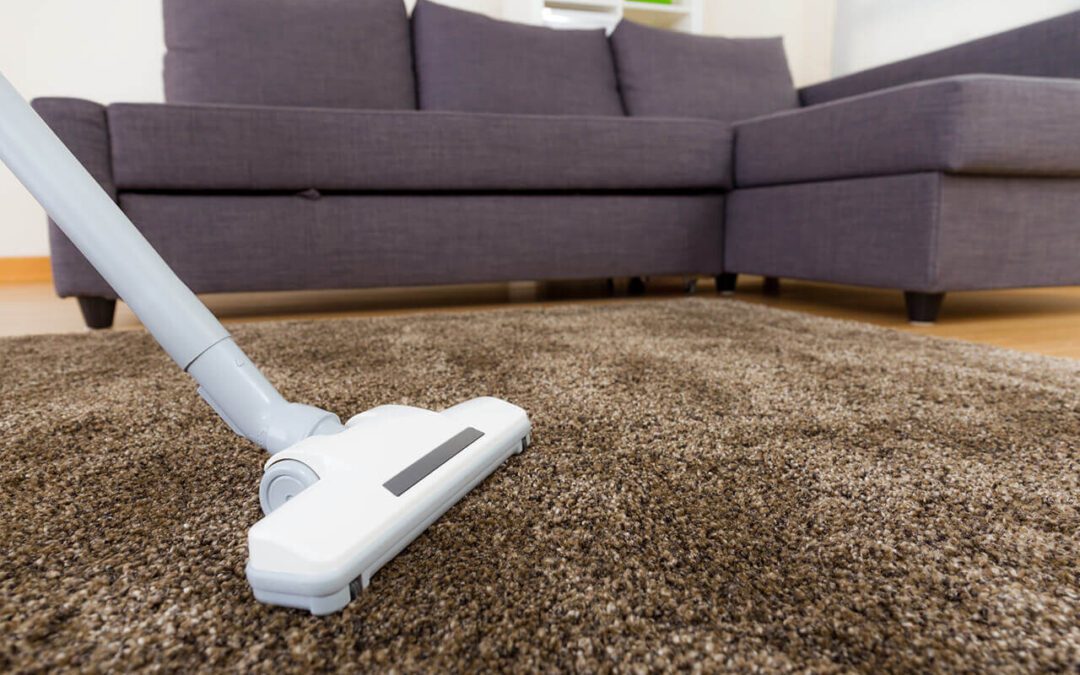
Environmental treatment is where most flea infestations are either resolved or perpetuated. Thorough, aggressive vacuuming is the most important non-chemical treatment available. Vacuuming daily removes adult fleas, eggs, and larvae from carpet and upholstery, and the vibration stimulates pupae to emerge early and expose them to treatment. Vacuum all carpet, rugs, upholstered furniture, and along baseboards, then immediately dispose of the bag or empty the canister into a sealed bag outside. A combination of an insect growth regulator (IGR) and an adulticide addresses both immature stages and the adult population. IGRs prevent larvae from developing into adults, which is the chemical mechanism that breaks the reproductive cycle. Premise sprays applied directly to high-concentration areas are often more effective than foggers for targeted treatment. Wash all bedding in hot water and dry on high heat. Steam clean carpets and upholstered furniture where possible.
Preventing a Future Flea Infestation
Once the infestation is resolved, consistent prevention keeps it from returning. Year-round flea prevention on all pets is the most important single measure. Fleas survive indoors year-round in comfortable household temperatures, which means seasonal prevention is insufficient in most climates. Regular vacuuming, washing pet bedding frequently, treating the yard where pets spend time, and inspecting pets after outdoor time or visiting homes with unknown flea status all reduce the likelihood of reintroduction. After a significant flea infestation, treating the yard is worth the effort.
Frequently Asked Questions (FAQs)
How long does it take to get rid of a flea infestation completely?
Most flea infestations require a minimum of three to four months of consistent treatment to fully resolve, because the pupal stage is highly resistant to chemical treatment and can remain dormant for weeks. Homeowners who treat once and stop when symptoms improve almost always experience recurrence. Consistent weekly vacuuming, monthly home treatments, and ongoing pet prevention for at least three to four months is the realistic timeline for complete resolution.
Can fleas infest a home without pets?
Yes. Fleas can enter through infested second-hand furniture, on clothing after visiting a home with fleas, through gaps in the building envelope, or from wildlife accessing crawl spaces or attics. They can also persist from previous occupants who had pets. Homeowners without pets who discover fleas should treat the home environment exactly as they would with pets, with particular attention to all floor surfaces, furniture, and any areas where wildlife might nest.
Are over-the-counter flea treatments effective for a serious infestation?
Over-the-counter pet treatments vary significantly in effectiveness, and some older formulations are substantially less effective than prescription products. For the home environment, commercial IGR and adulticide sprays are genuinely effective when used correctly and consistently. For significant flea infestations that don’t respond after several weeks of consistent home treatment, professional pest control is worth the investment.
Is professional pest control necessary for a flea infestation?
Not always. Well-executed DIY treatment resolves most residential infestations without professional help. Where professional treatment adds value is in severe infestations, large homes where consistent DIY coverage is difficult, or situations where DIY treatment hasn’t produced results after six to eight weeks.
Can fleas survive without a host in my home?
Adult fleas need a blood meal to survive long-term but can live without a host for one to two weeks under normal household conditions. Flea eggs, larvae, and pupae don’t require a host and develop entirely in the environment. This is why a home can appear flea-free for weeks after a host animal is removed, then suddenly have adult fleas emerging as pupae complete their development and begin seeking a host.
JW Goad Home Inspections provides home inspection services to Clarksville and the surrounding areas in Tennessee. Contact us to schedule an appointment.